




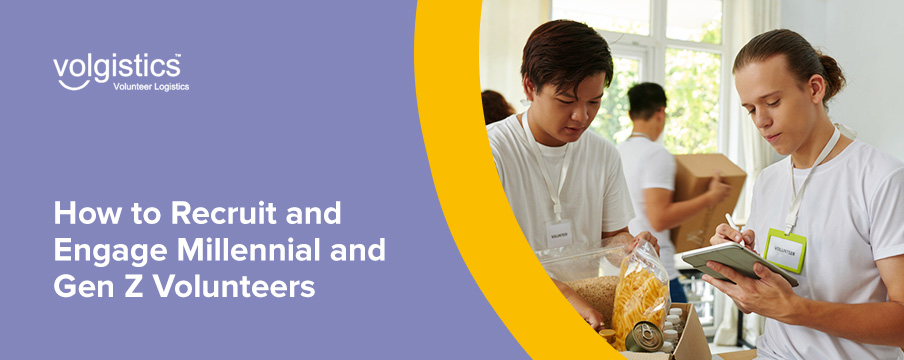
The number of people formally signing up for volunteering programs over the age of 16 was approximately 75.7 million between September 2022 and 2023. Despite comprising 28.3% of the country’s population and an increasing number of people signing up for volunteering, the number of hours per volunteer is declining.
Recruiting millennials and Gen Z volunteers is also a challenge due to their differing characteristics and behaviors compared to older volunteers. This guide assesses the role of millennial and Gen Z volunteers, explores strategies for recruiting them, and examines the benefits of blending multigenerational volunteer groups.
What Is a Millennial and a Gen Zer?
It is essential to understand the age ranges associated with millennials and Gen Z to adapt your volunteer recruitment strategies effectively. Below is an overview of what a millennial and a Gen Zer are:
- Millennial: Individuals born between 1981 and 1996 are called millennials or Generation Y. Older millennials who identify more with the previous generation, Gen X, sometimes call themselves Xennials.
- Gen Z: Also known as post-millennials, Gen Z is an age group comprising individuals born between 1997 and 2012. They are also referred to as “digital natives” because the internet has always been an accessible resource for them.
Top Motivations for Millennial and Gen Z Volunteers
Gen Zers in particular are more likely to support social justice initiatives, including those focused on LGBTQ+ rights, sustainability, and equality. Other key motivations include:
- Beating loneliness and isolation: Loneliness is a significant factor contributing to the growing interest among Gen Zers in volunteering. By volunteering, younger people can engage and make friends based on similar interests.
- Passion for making a difference: Gen Zers and millennials have a passion for creating change. Approximately 54% of Gen Zers volunteer their time, and 41% of millennials volunteer.
- Offers work-life balance: With fast-paced lifestyles, Gen Zers and Millennials appreciate flexible volunteering. It provides an opportunity to work on meaningful programs and gives a positive feeling of achievement.
- Gain a sense of belonging: Especially if their day jobs are unfulfilling, millennials and Gen Zers may experience a strong sense of belonging with volunteering programs that align with their values.
How to Recruit and Engage Millennial Volunteers With Gen Zers
Both millennials and Gen Zers grew up in the digital age, where technology continued to advance and communication evolved. Because of this, engaging these groups to volunteer will likely differ from attracting Gen Xers and baby boomers. Take note of the following strategies for recruiting these groups to volunteer programs:
Gen Z Volunteering
Although similar to millennials, there are some specific strategies suitable for Gen Zers:
- Prioritize flexibility: With more people expected to work evenings and weekends, offering flexible volunteer hours is more attractive. That way, volunteers can comfortably fit these responsibilities around their work commitments.
- Make calls-to-action succinct: Continuous scrolling online leaves little time for volunteer organizations to hold their audience’s attention. Ensure the calls-to-action (CTAs) are concise and get to the point quickly.
- Build a strong digital presence: An active social media presence with consistent posts and interactions will likely gain more attention from Gen Zers. Think about the best times to post and ways to boost your profile.
- Align volunteering with work experience: Gen Zers may show more interest in volunteering opportunities if they can achieve relevant work experience. Volunteering experiences that will appear favorable on resumes are a bonus.
- Invest in quality software: Dated software, which can be challenging to navigate, will deter Gen Zers from following through with volunteering. Ensure your volunteer management software is user-friendly for all parties to track progress.
Millennial Volunteering
Consider the following millennial volunteering recruitment strategies to gain traction:
- Offer flexible scheduling: Much like Gen Zers, millennials also appreciate flexibility, given their need to work outside of the standard 9 a.m. to 5 p.m. shift.
- Provide volunteering hours off work: For HR managers, offering paid time off for volunteering causes is a key driver in attracting millennial talent. Joining forces with local causes is an excellent way to introduce this initiative.
- Be transparent and authentic: Both millennials and Gen Zers show enthusiasm for learning about the impact of their volunteering hours. Ensure to share progress updates to keep both demographics interested in further volunteering.
- Make volunteering inclusive: Particularly if millennials have children at home, offering volunteer opportunities that involve the whole family is an excellent way to engage and recruit new volunteers.
- Simple and effective software: The same applies to Gen Zers as it does to millennial volunteers. Outdated volunteer management software can be a deterrent to further opportunities. Ensure the software is user-friendly, allowing users to update schedules and track hours easily.
With 54% of the current workforce consisting of Gen Zers and millennials, and 30% of the workforce expected to be Gen Z by 2030, offering flexibility is crucial.
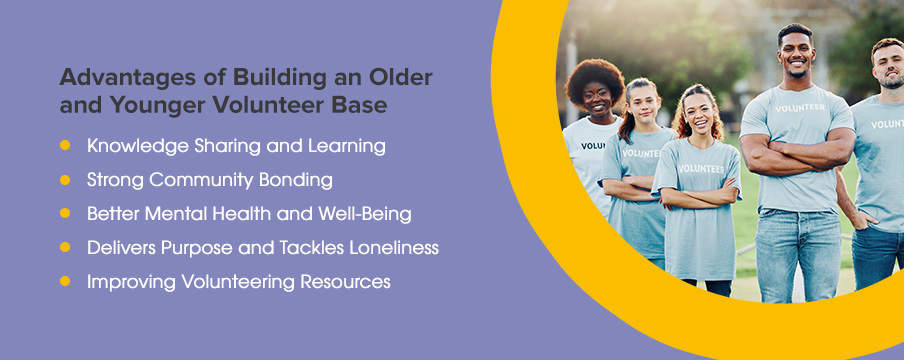
Advantages of Building an Older and Younger Volunteer Base
There is great value in bringing together multigenerational volunteers. A volunteer base with a mix of Gen Z, millennial, Gen X, and baby boomer volunteers is beneficial for the organization and the volunteering recipients. Here are five benefits to consider for your organization:
Knowledge Sharing and Learning
Volunteers of different generations can share their experiences and skills to benefit one another. Older volunteers offer professional skills, knowledge, and wisdom. Younger generations have technological expertise and fresh perspectives on specific issues.
Strong Community Bonding
Multiple generations working together build a strong sense of community. Working together to achieve common goals offers the opportunity to develop a sense of purpose and empathy. Social bonding between generations breaks down barriers while also building trust and tackling stereotypes.
Better Mental Health and Well-Being
Particularly for older volunteers, participation in multigenerational volunteering programs can help alleviate the symptoms of depression. It also improves physical health and boosts the level of positivity by releasing dopamine. Older volunteers tend to have a greater sense of purpose than their non-volunteering peers of the same age.
Delivers Purpose and Tackles Loneliness
Much like the loneliness levels of Gen Zers, older volunteers also experience the feeling of loneliness. Combining multiple generations offers mutual learning as well as stopping isolation. For all generations, volunteering together provides emotional support, interaction, and an opportunity to form multigenerational friendships.
Improving Volunteering Resources
The key benefit for any volunteering organization is the balance of resources. When it comes to flexibility, volunteers of retirement age can often commit to volunteer hours, while Gen Z and millennial volunteers must work around their day jobs. Overall, older volunteers may offer more stability and availability. Younger volunteers can bring more adaptability to new situations.
The Benefits of Using Volunteer Management Tools
Improvements in technology mean that volunteer management no longer requires physical paper records or multiple spreadsheets that are difficult to manage and maintain. A volunteer management tool consolidates everything in one place, enabling you to manage day-to-day operations effectively. Here is an overview of the benefits of using a volunteer management tool:
- Better organization of volunteering projects.
- Ensures compliance and safeguards volunteer information.
- User-friendly technology is crucial for retaining millennials and Gen Zers.
- Enhances the matching of opportunities with volunteer skill sets.
- Helps with the volunteer onboarding process and managing documentation.
- Quick and efficient communication with built-in messaging tools.
- Easy scheduling of volunteer shifts and monitoring hours worked.
- Analytics and reports of volunteer progress.
Invest in Volunteer Management Software to Suit You
Your choice of volunteer management software is a crucial decision that impacts the organization and volunteer retention. The Volgistics software is customizable and allows you to communicate with volunteers, schedule shifts, monitor working hours, and recruit volunteers.
Our team offers a getting-started guide, a library of help topics, video tutorials, online training, and email support every step of the way. Schedule a free live demo of our innovative technology today. You can also sign up for a free 30-day trial before making a purchase.